Off the Silk Road
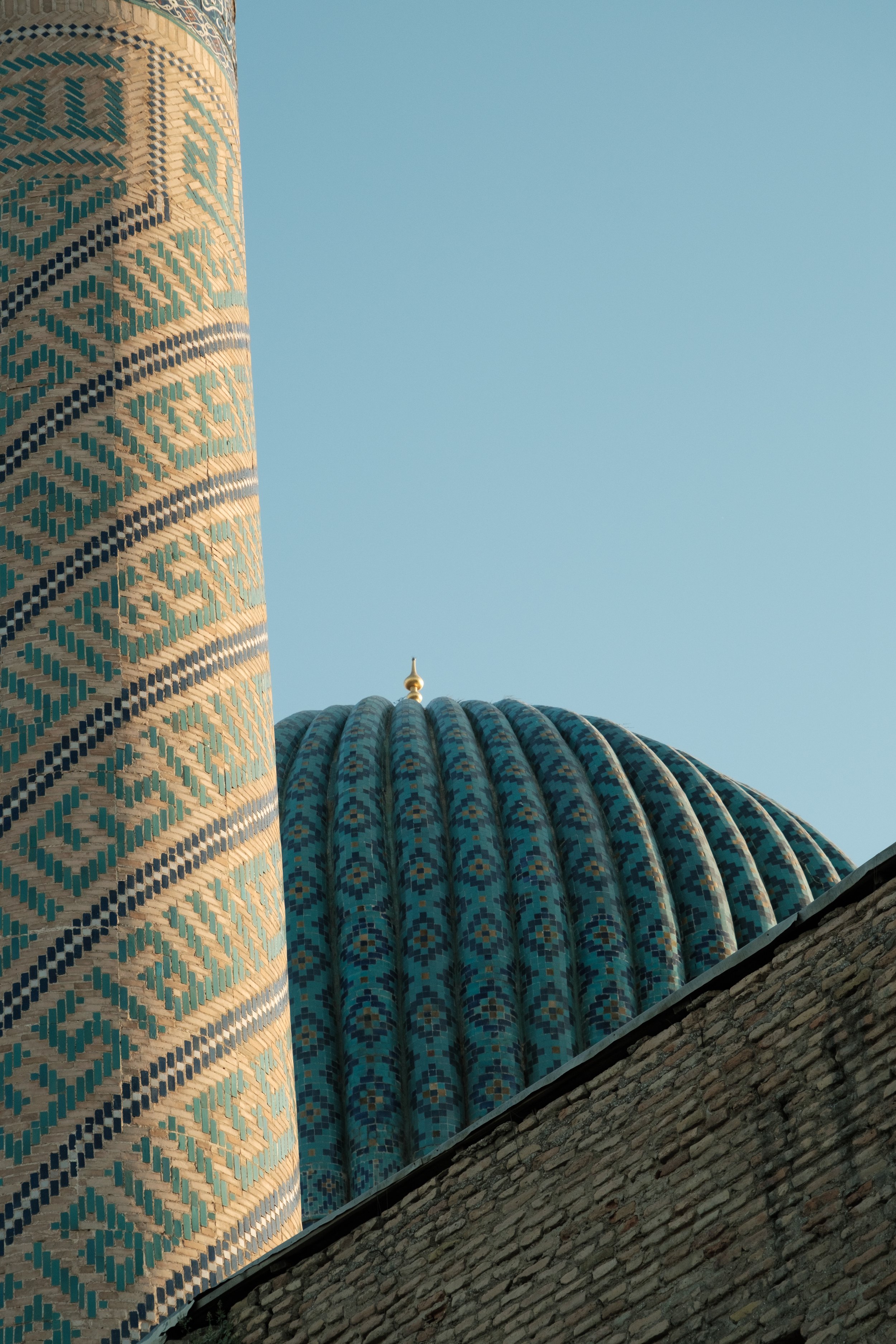
The Silk Road represents more than just the ancient trade routes linking East and West; it stands as a symbol of Central Asia’s complex history, resilience, and cultural exchange. While modern tourism often highlights the stunning architecture of cities like Samarkand, Bukhara, and Khiva—famed for their mosques, madrasas, and palaces—this focus on grandeur can sometimes overlook the region's deeper narrative. Central Asia’s identity, shaped by centuries of conquest, colonialism, and independence, reveals a story of peoples who have continuously redefined themselves amidst shifting empires.
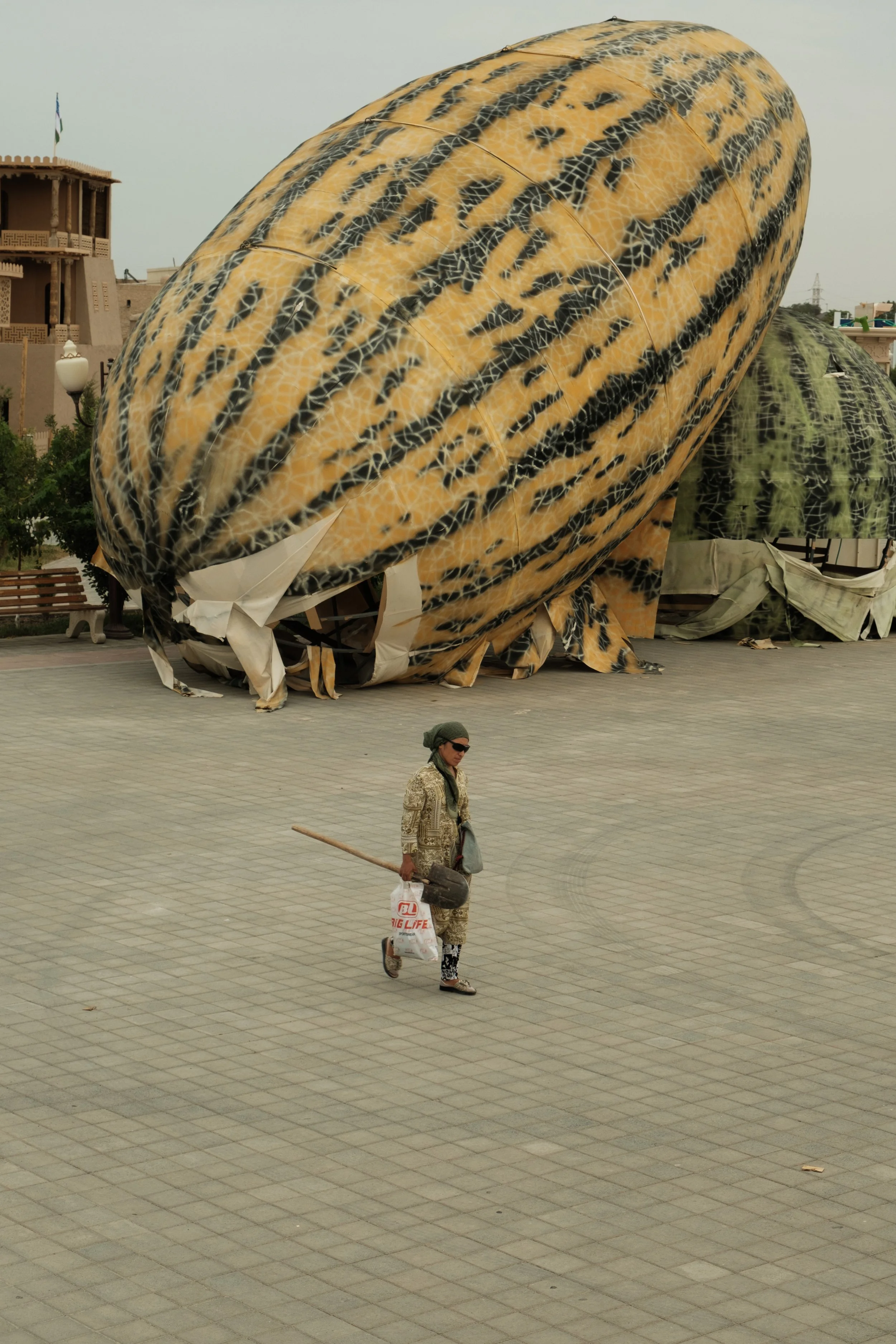
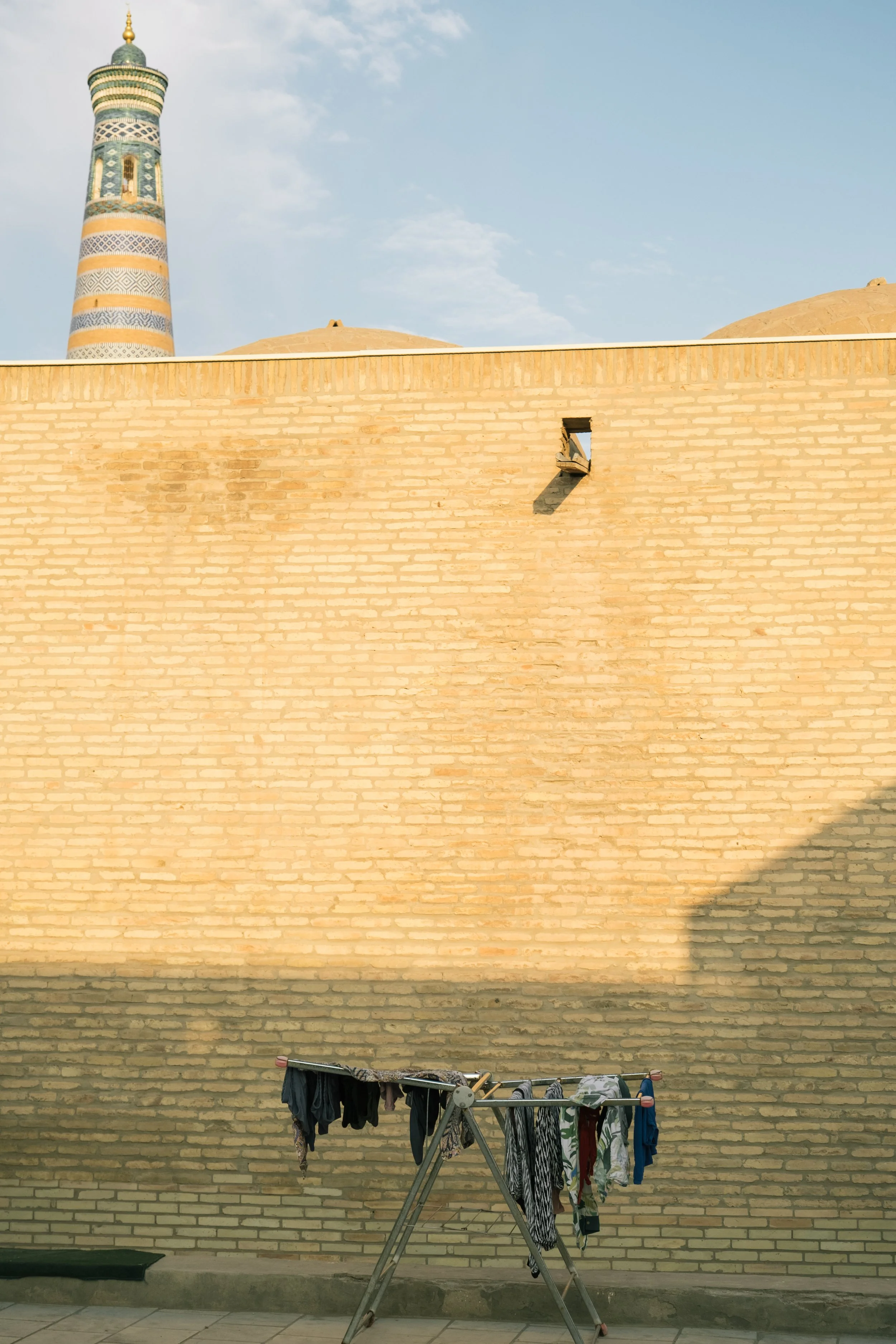
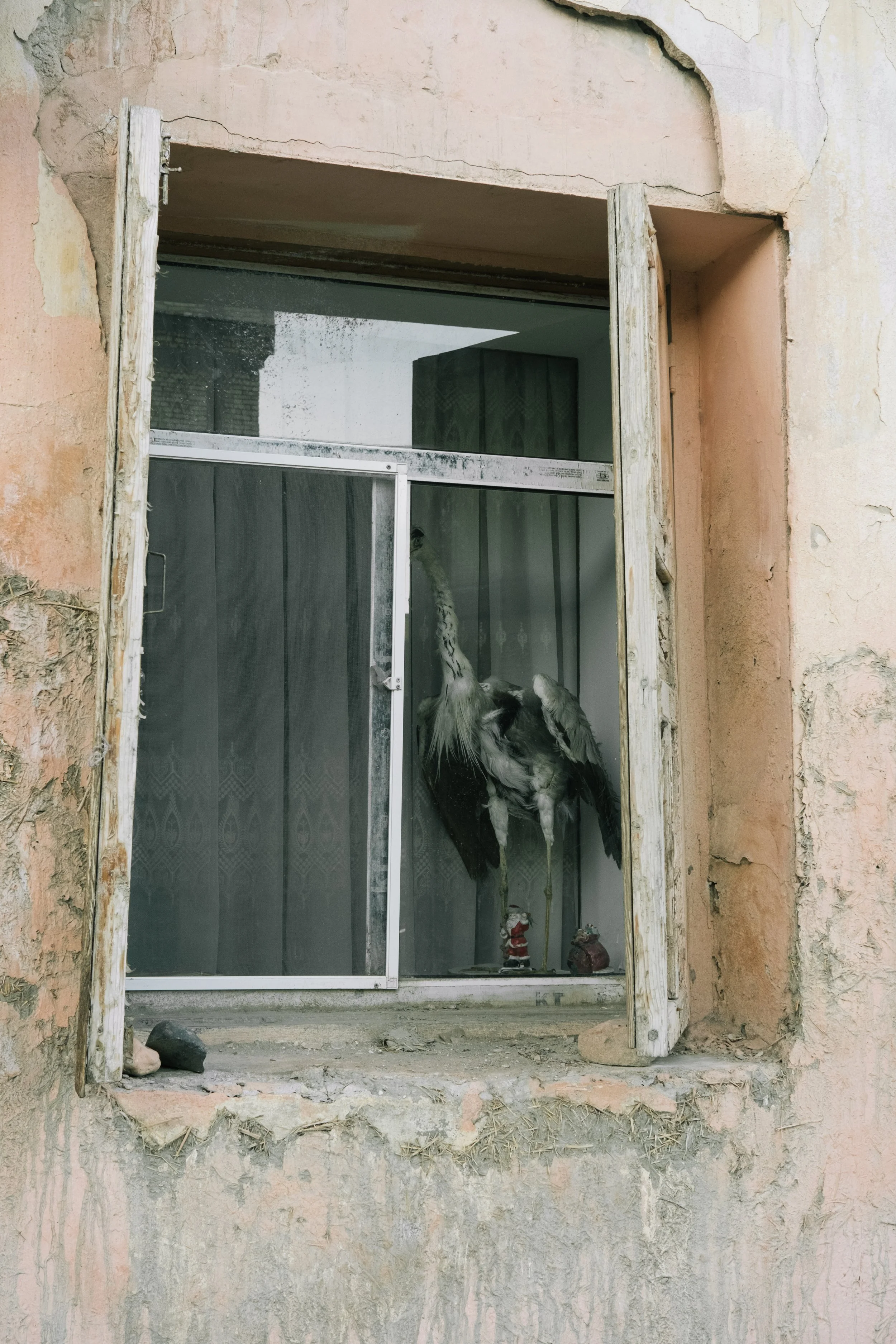
In my photography, I aim to go beyond the celebrated architecture of Uzbekistan’s Silk Road cities, capturing the daily lives of the people who continue to shape these historic landscapes.