Nicosia - A divided city
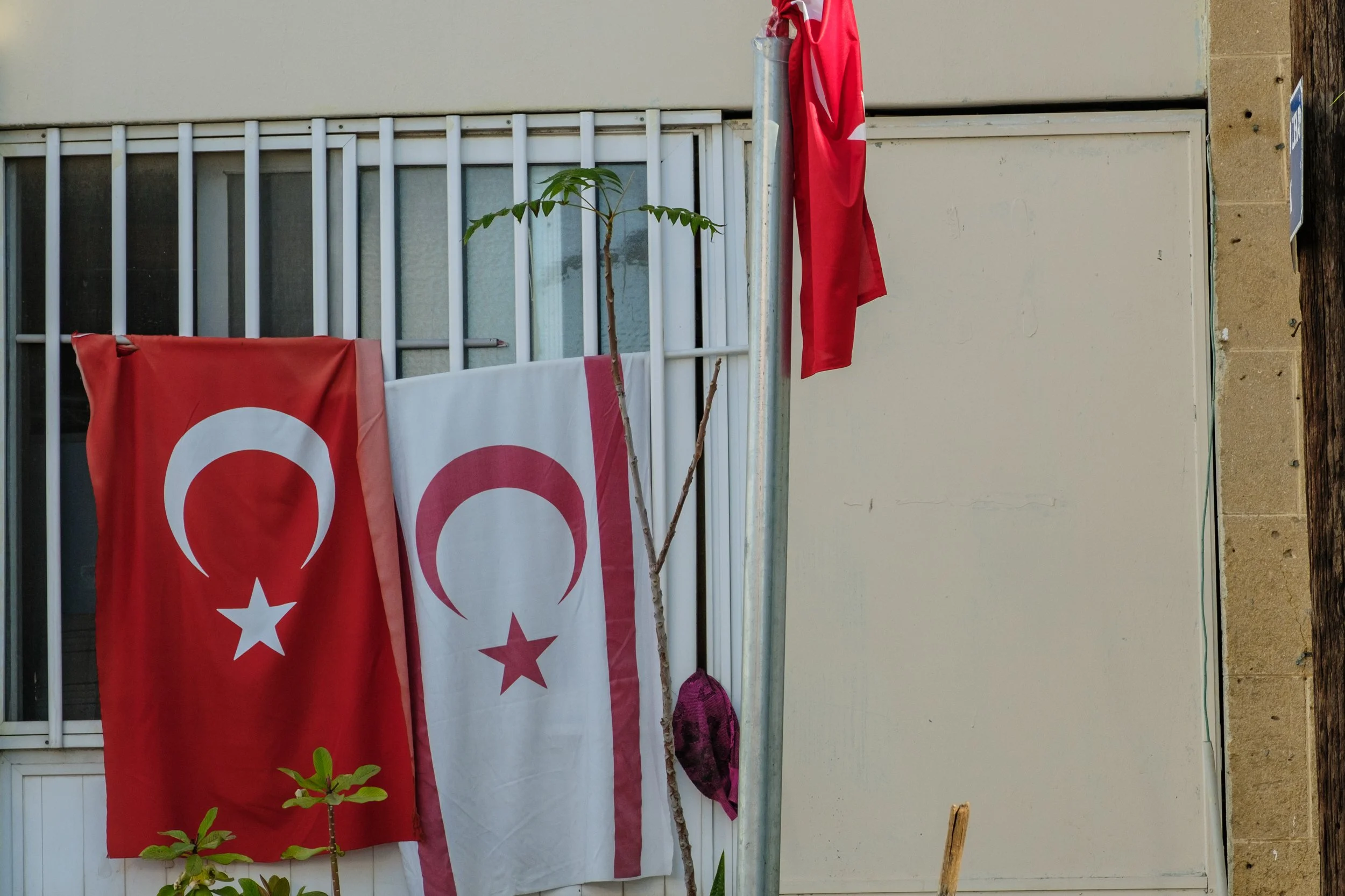
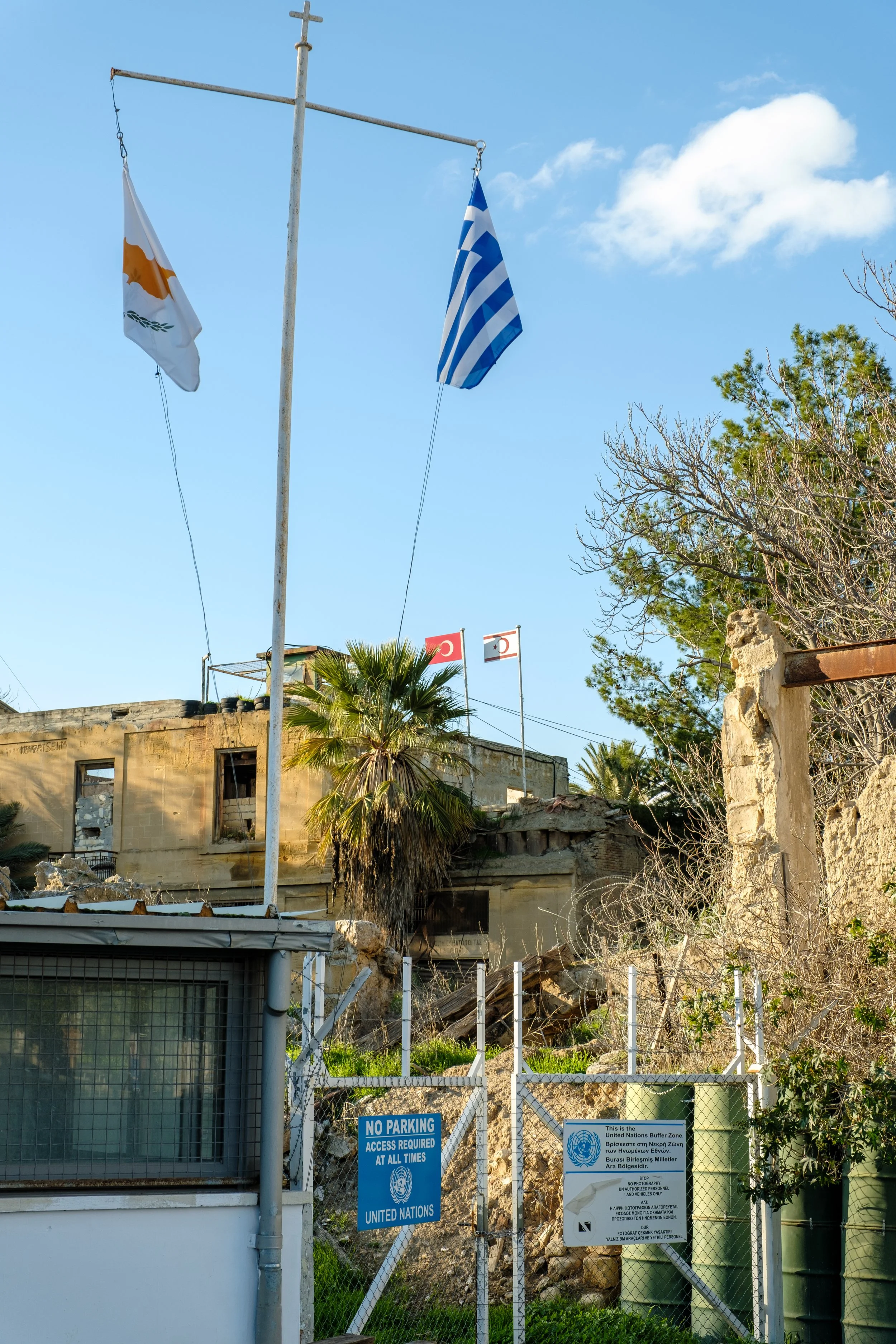
Approaching Nicosia by highway, long before the city’s edges come into view, a big flag appears on the hillside: white, with two red stripes and a red crescent. It is the flag of Northern Cyprus, visible from afar and impossible to ignore. Few European capitals announce their political fracture so starkly, even before one arrives.
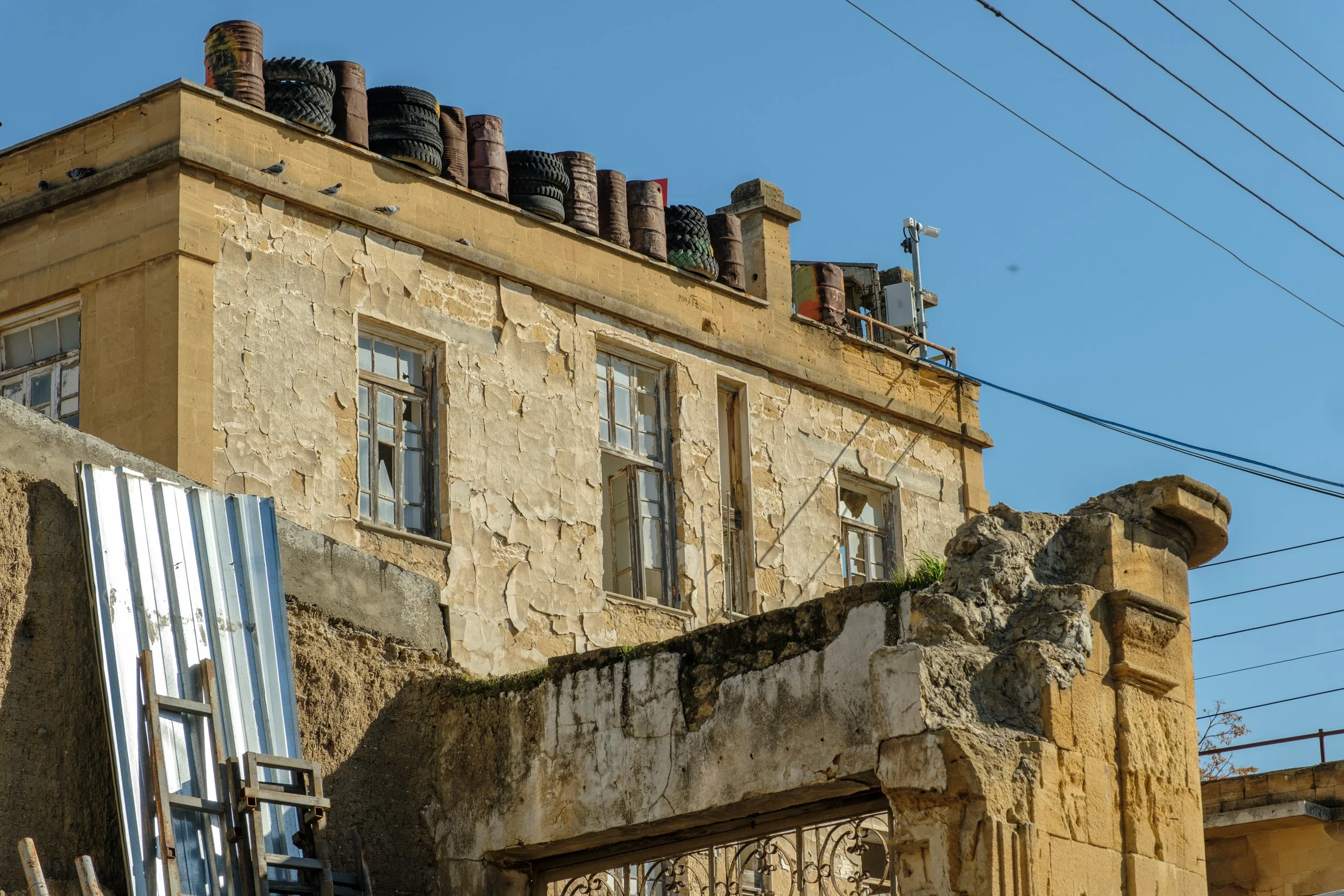
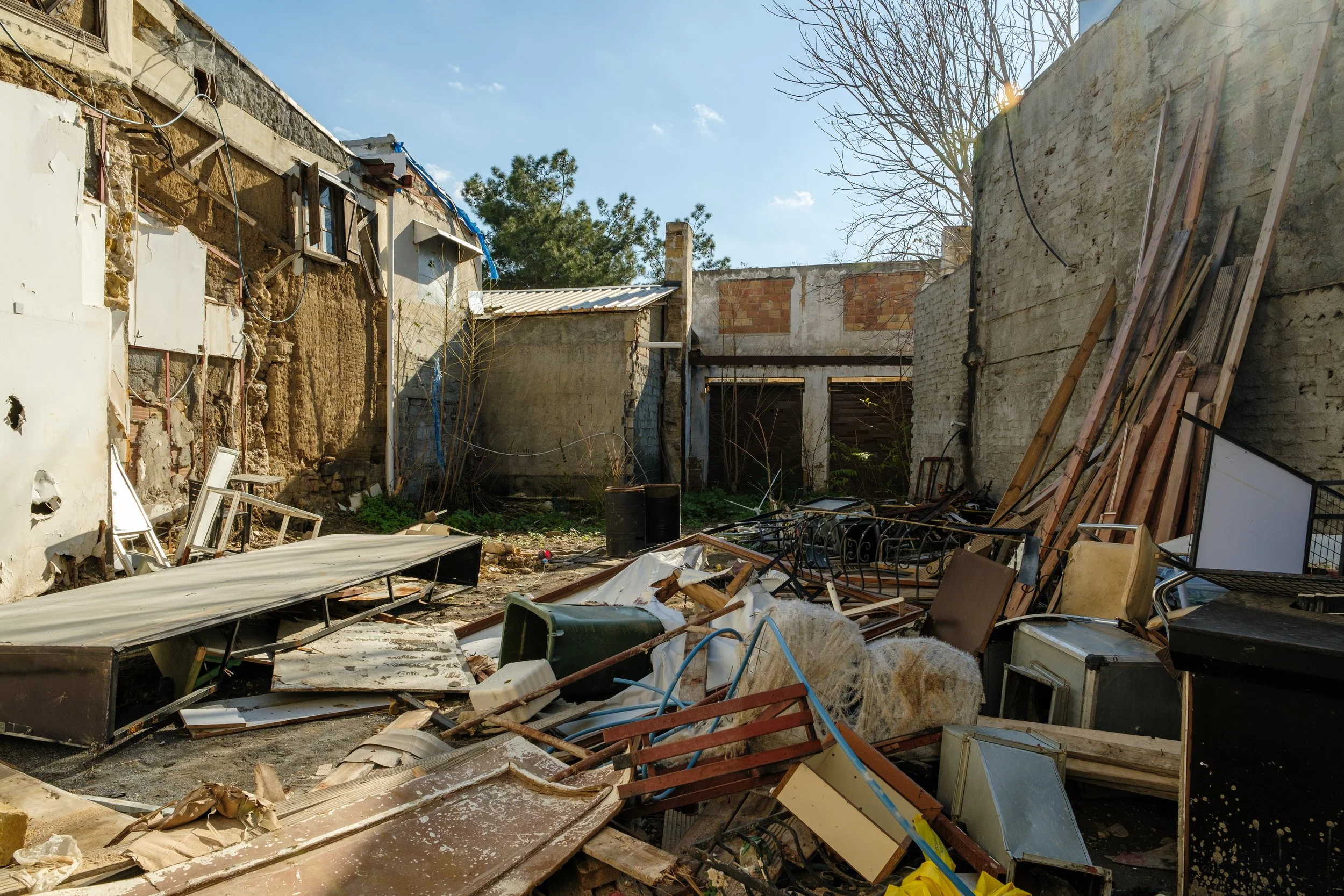
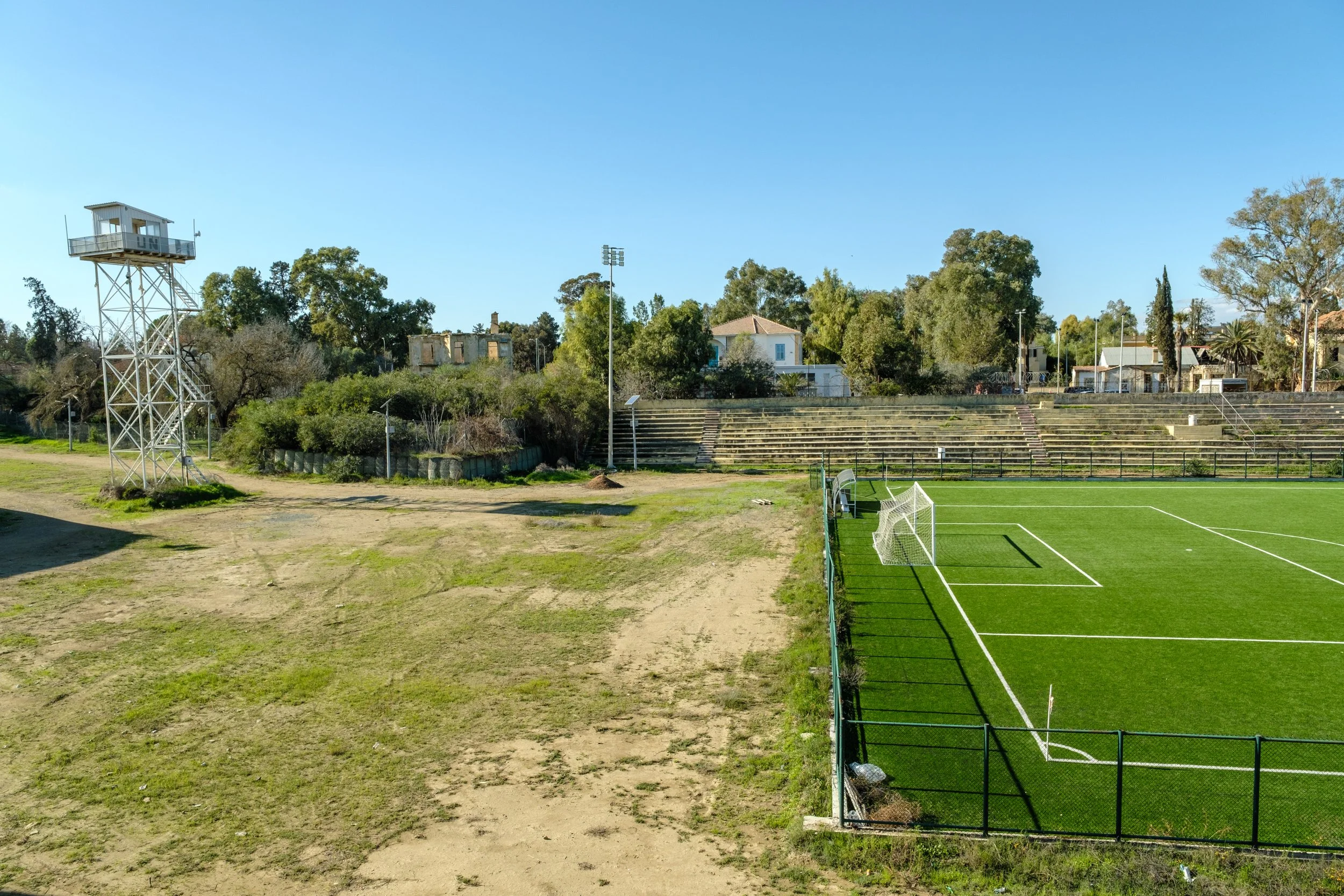
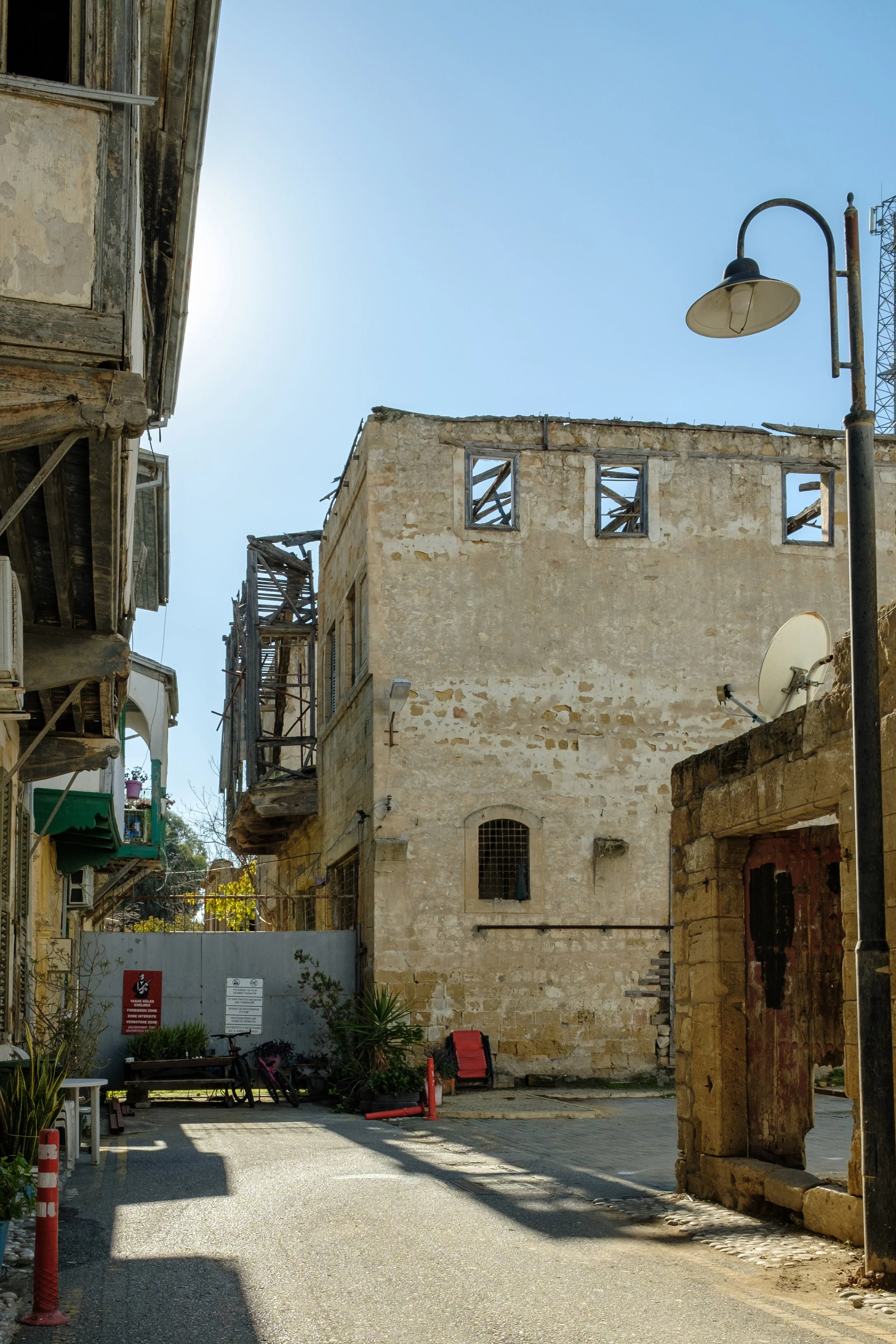
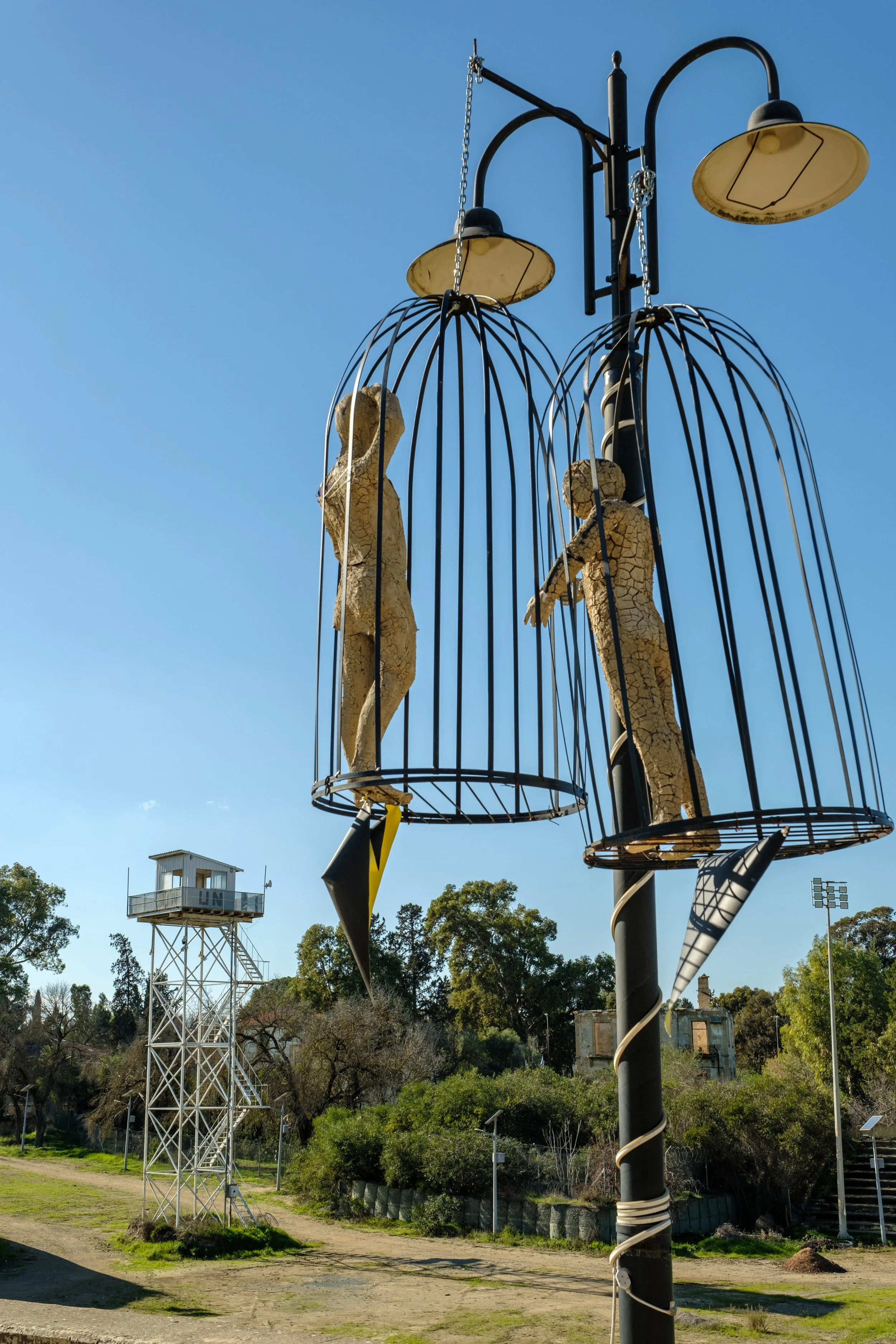
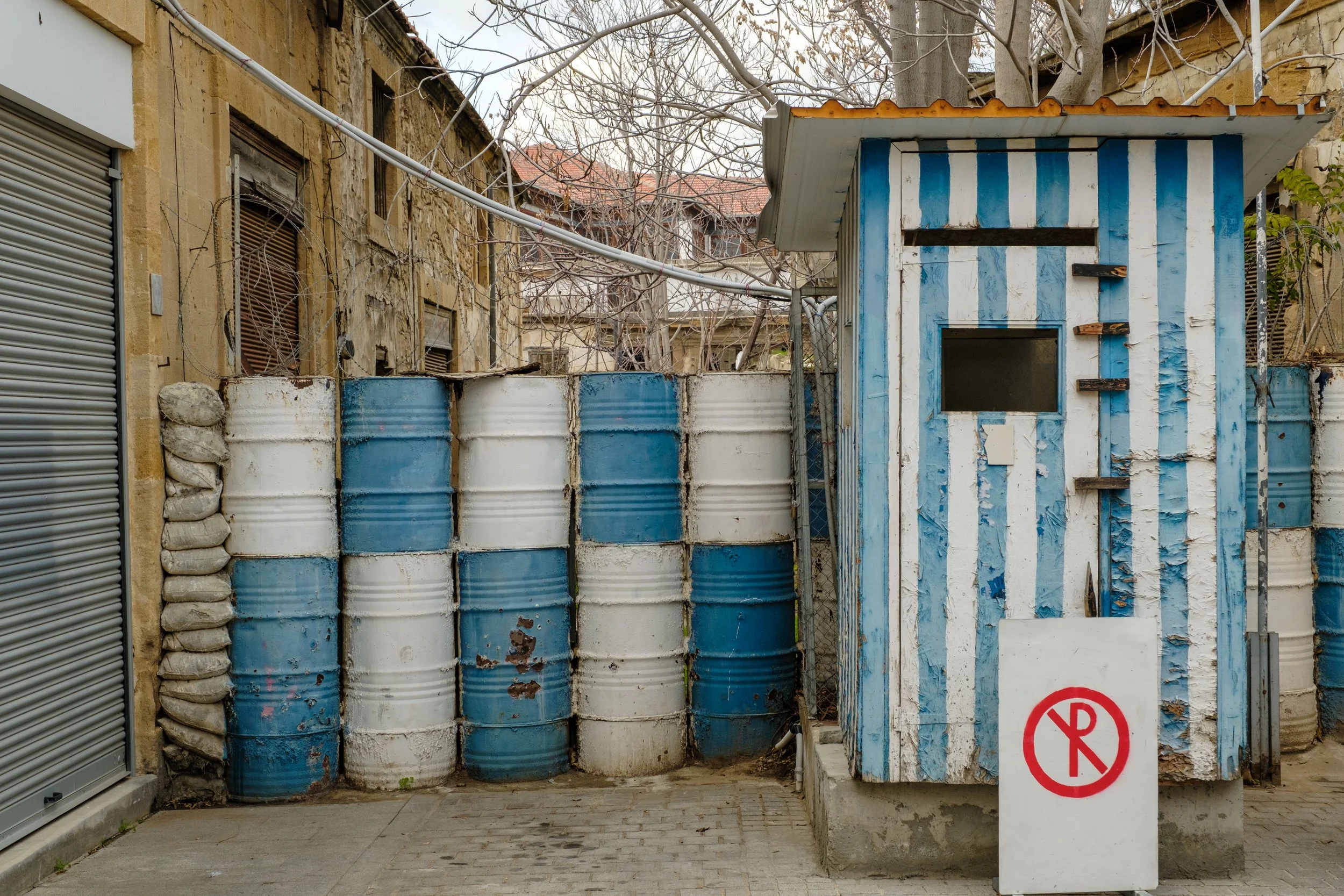
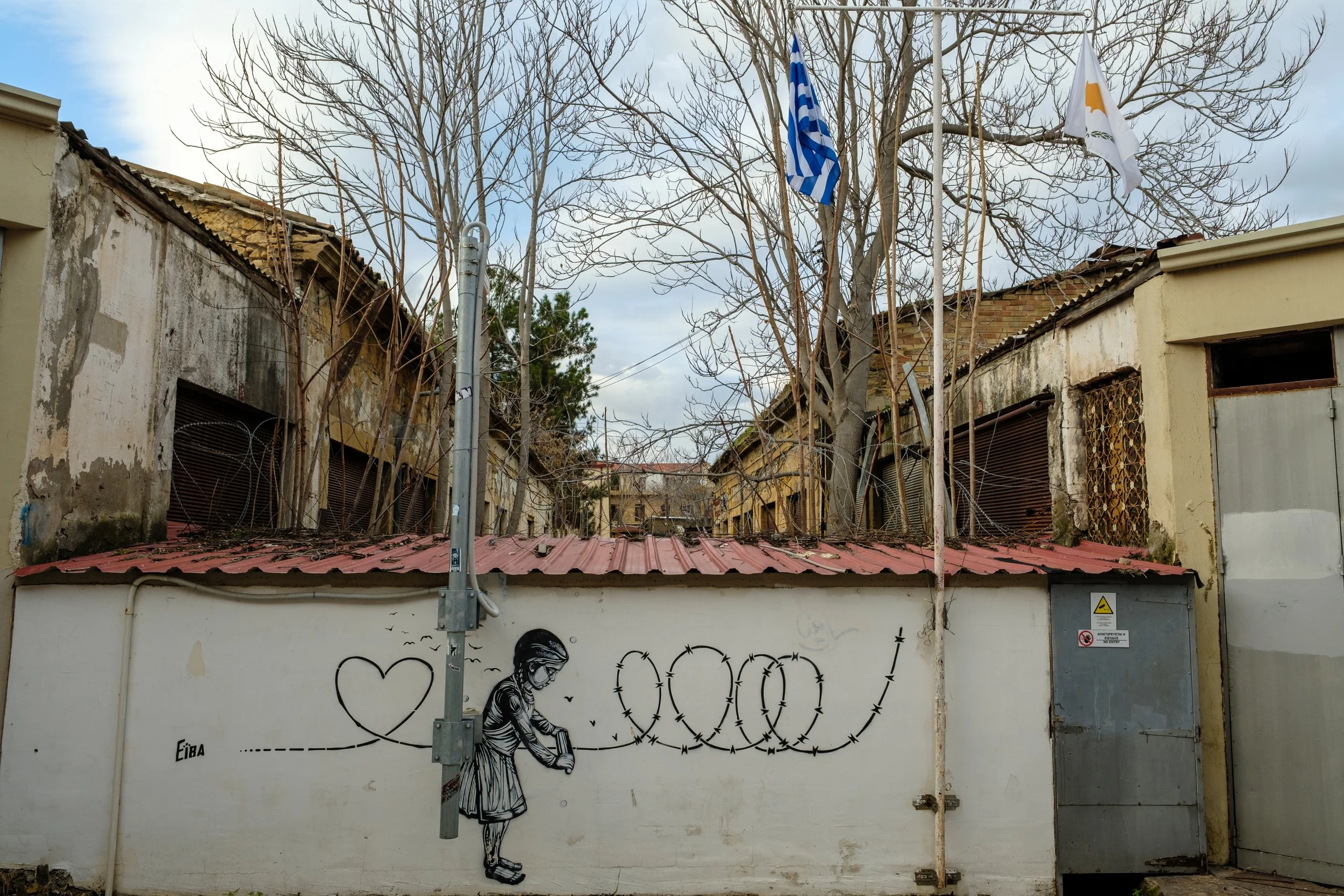
Nicosia remains the last divided capital in Europe. The city was split in the aftermath of the conflicts of the 1970s, leaving a northern part administered by Turkish Cypriots and recognized only by Turkey, and a southern part governed by the Republic of Cyprus, today a member of the European Union. Between them runs the UN-controlled buffer zone — a thin, uneven line of checkpoints, abandoned buildings, watchtowers, and observation posts that cuts through streets, homes, and lives.
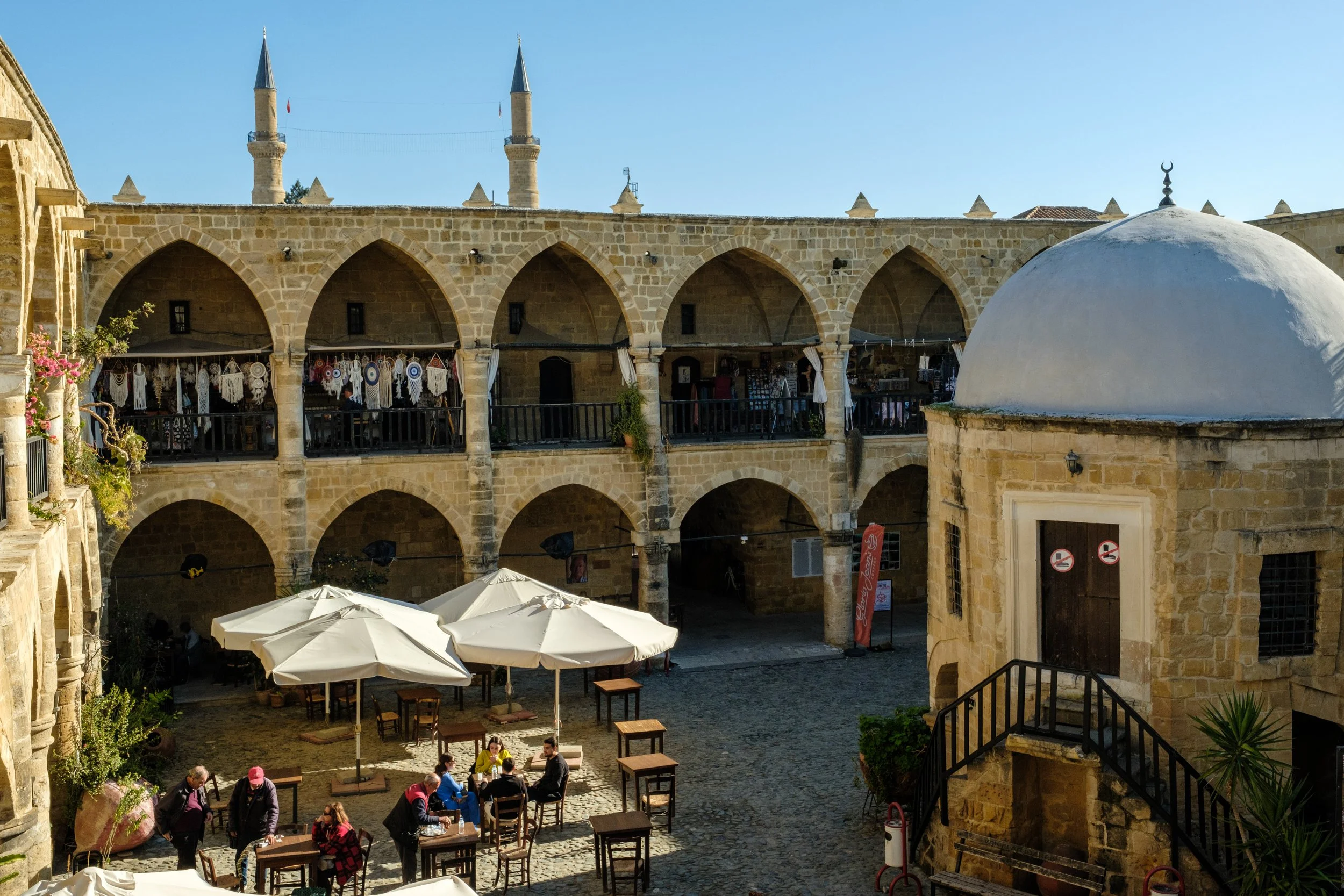
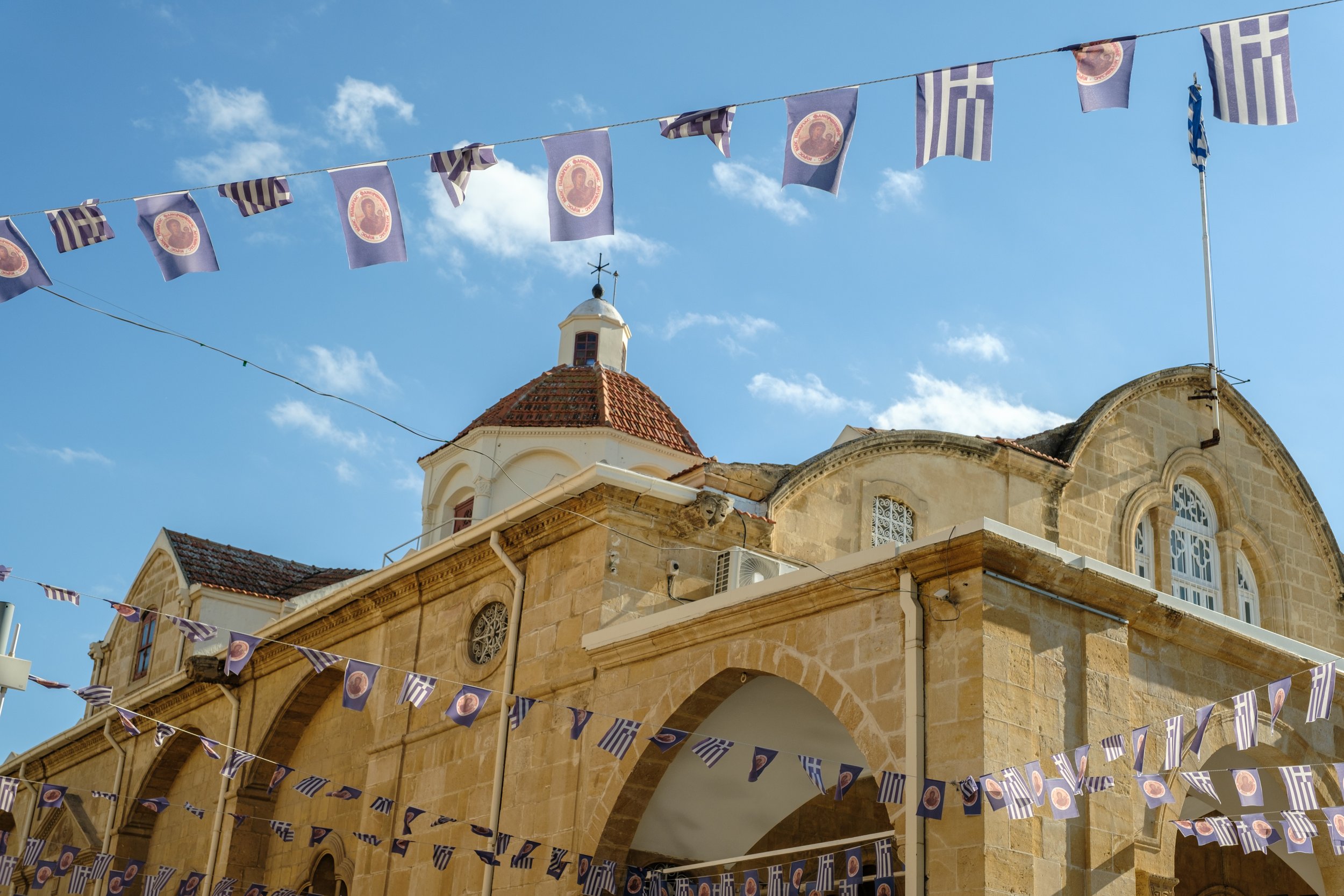
The contrast between the two sides is immediately perceptible. The southern, Greek Cypriot part of the city is wealthier, more populous, and closely integrated into the political and economic structures of the EU. Crossing north takes only minutes on foot, yet the transition feels deeper than a border crossing. Turkish lira replaces the euro; Turkish banks, signage, and institutions dominate the urban landscape. Though officially framed as an independent state, the northern part of Nicosia feels closely tied — economically, politically, and culturally — to Turkey. It is also visibly poorer, bearing the marks of prolonged isolation.
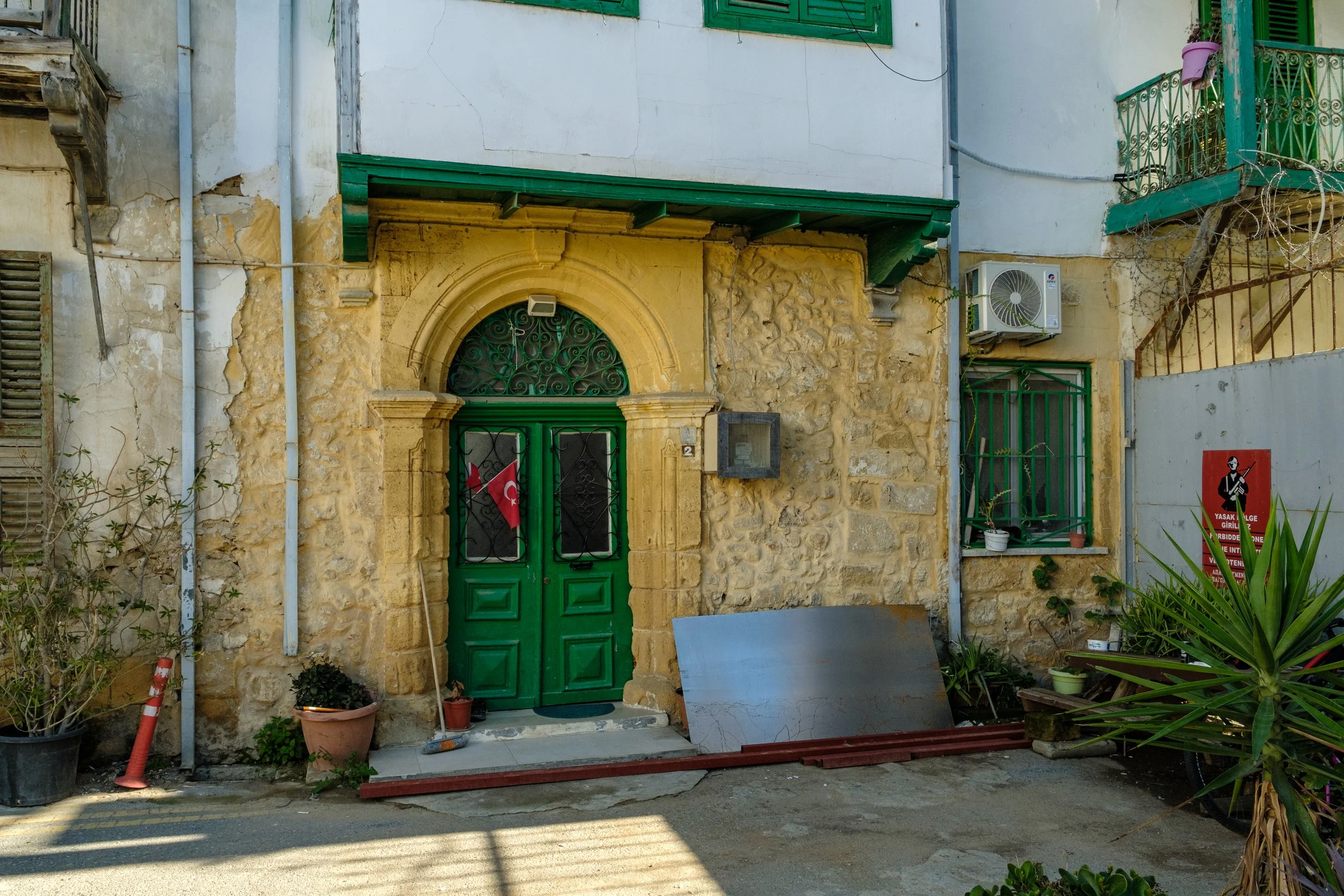
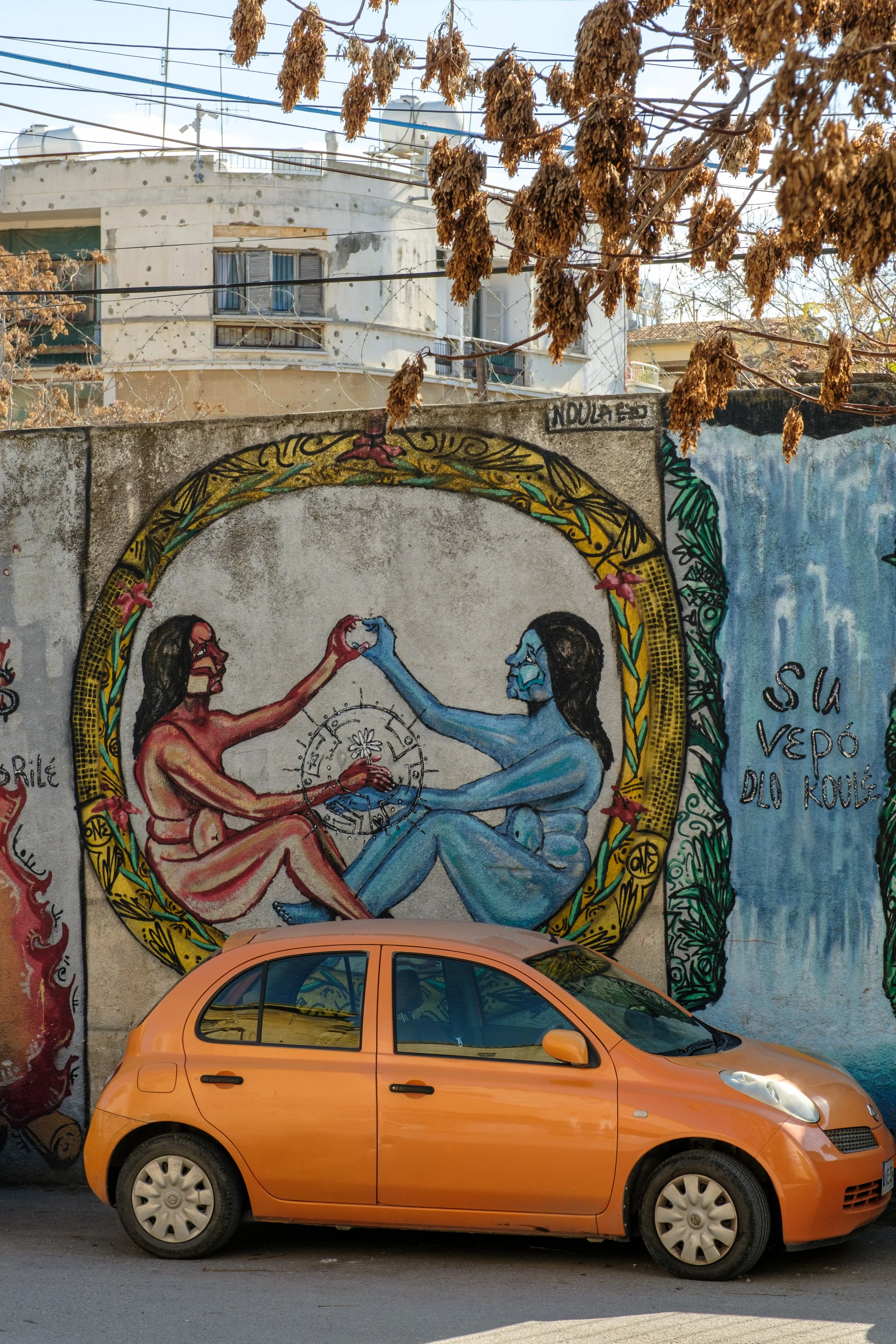
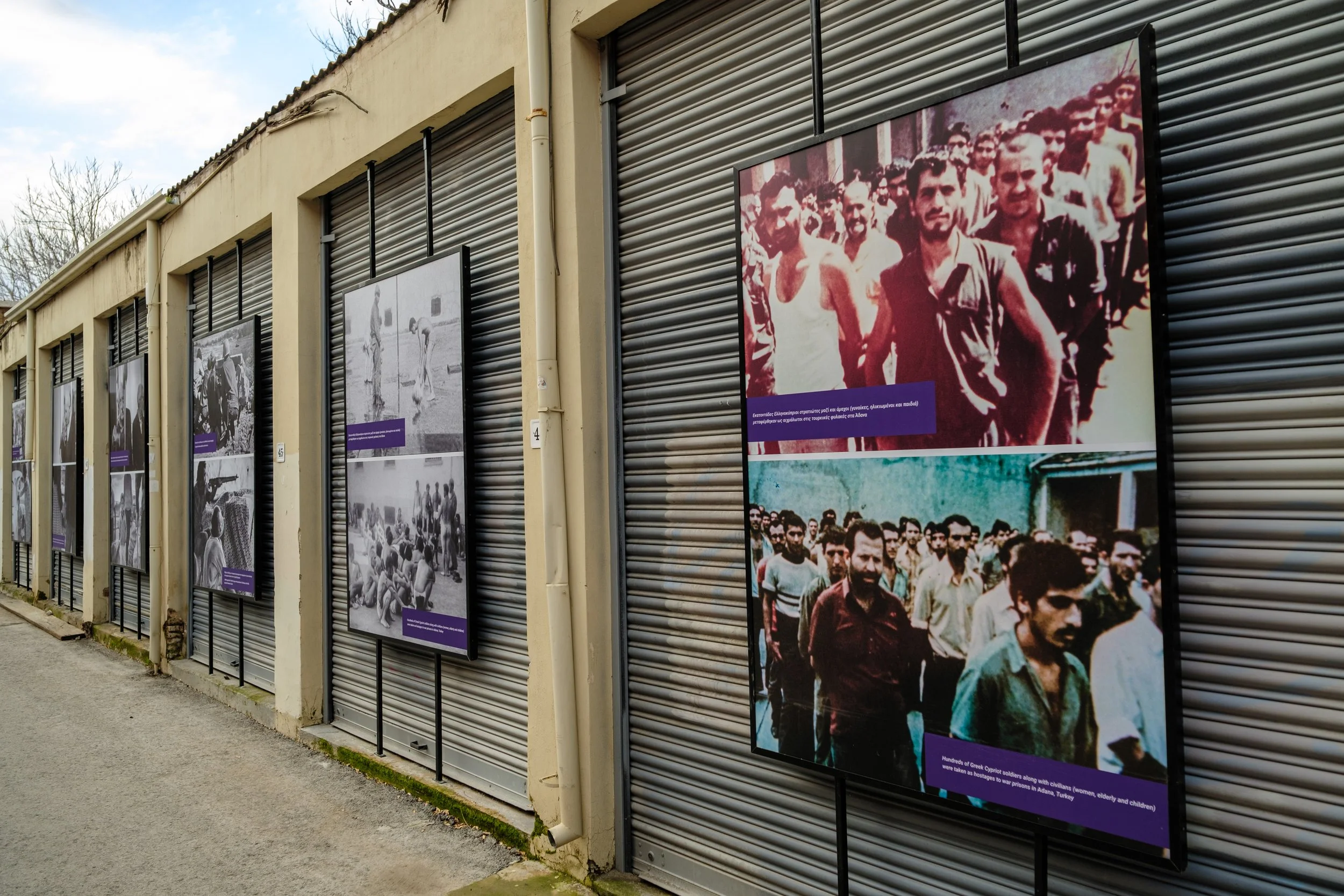
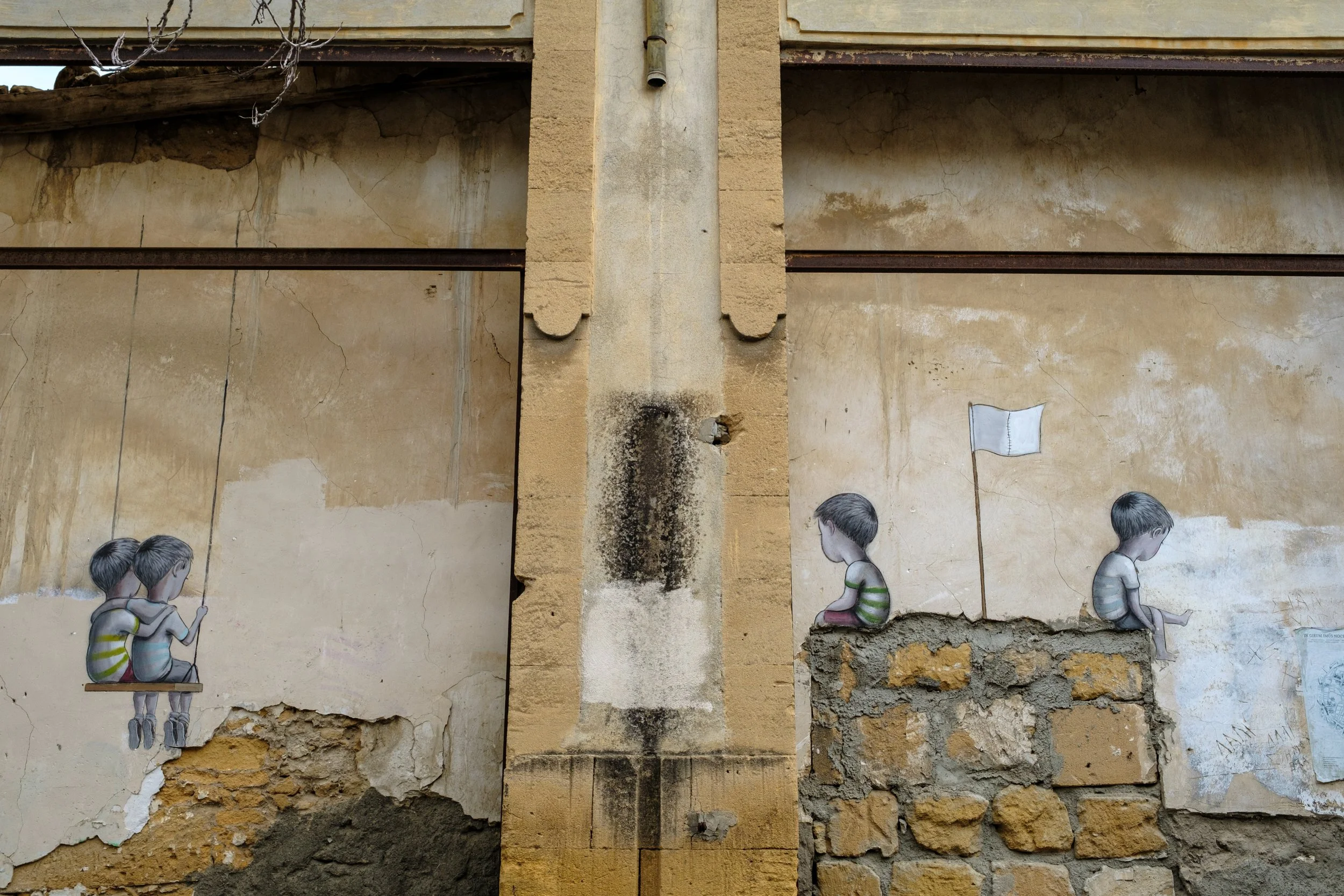
Across both sides of the city, traces of the conflict remain embedded in the urban fabric. In some streets, bullet holes are still visible in walls and facades, quiet reminders of violence that has never been fully consigned to the past.
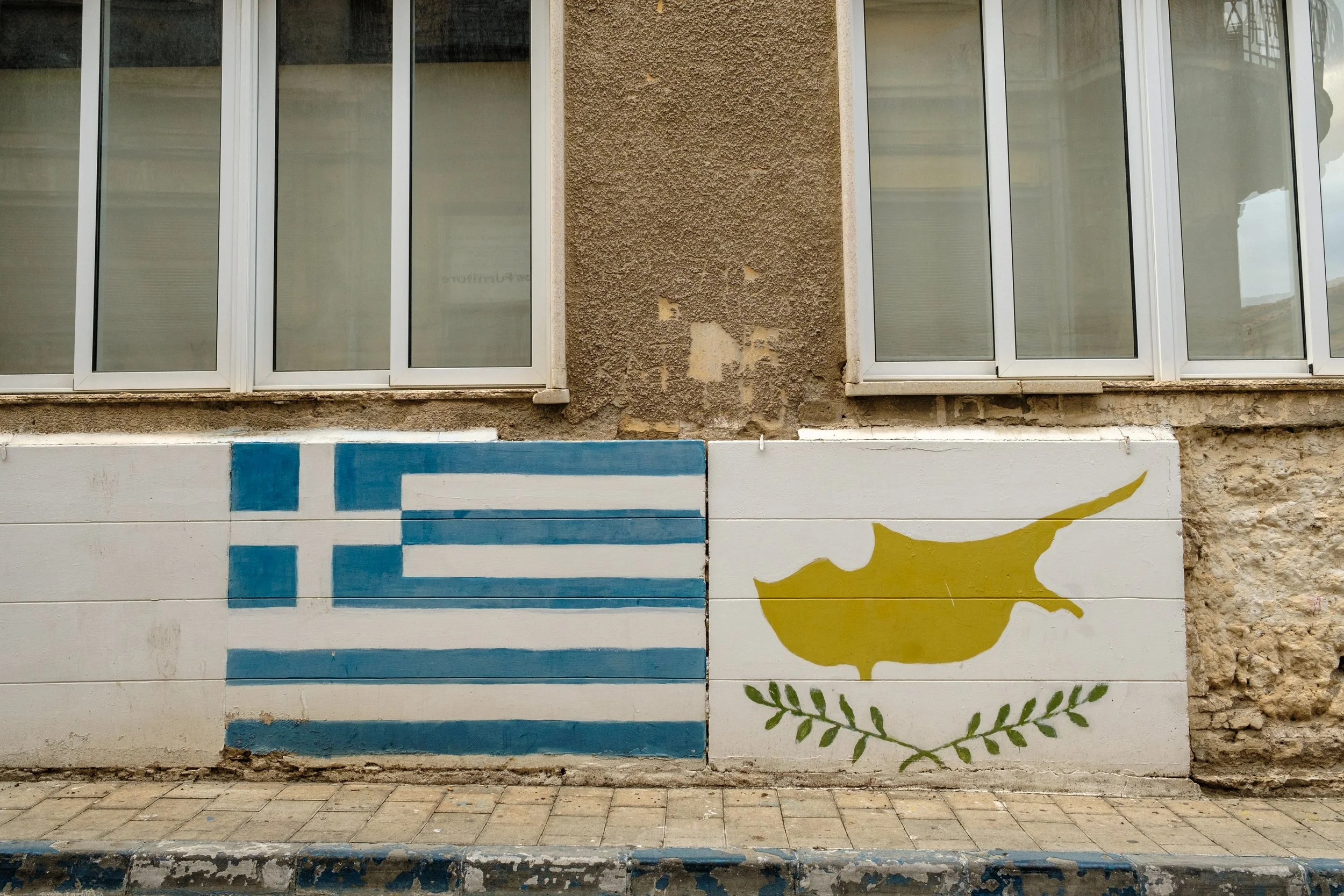
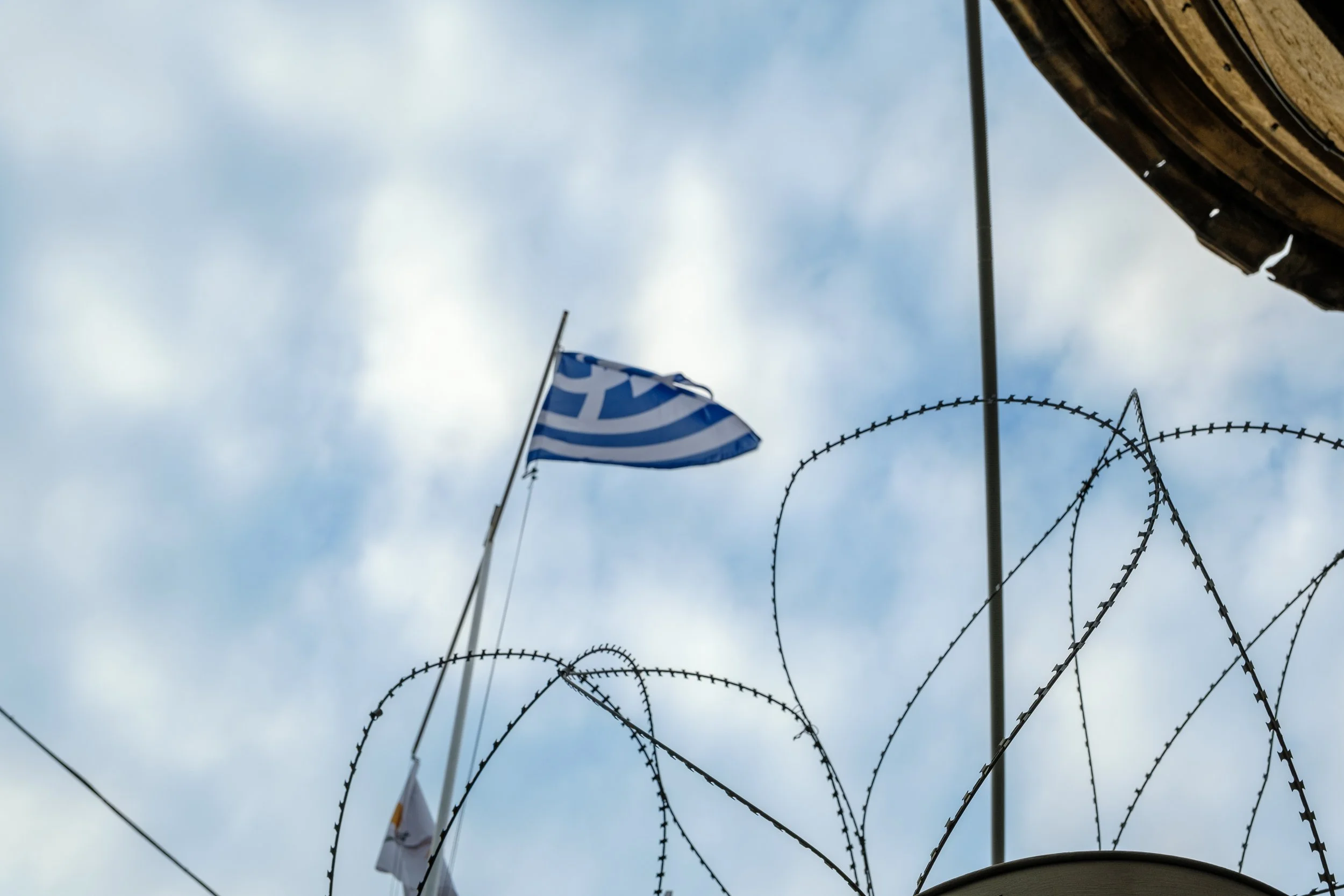
The Greek side
The Turkish side